
What Does Bastardized Cuisine Mean? Exploring Bastardized Korean Cuisine
Axelia Christy
1/15/20242 분 읽기
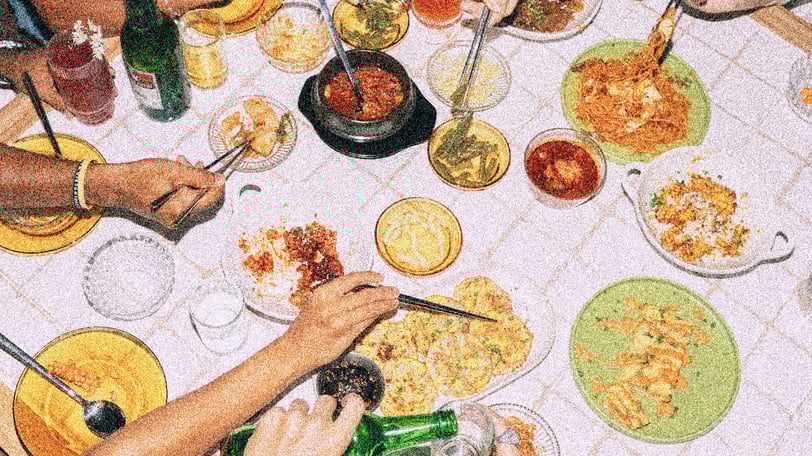
Have you ever come across the term "bastardized cuisine" and wondered what it means? Well, let's dive into the world of culinary terminology and explore the concept of bastardized cuisine, with a specific focus on bastardized Korean cuisine.
Understanding Bastardized Cuisine
Bastardized cuisine refers to the process of altering or adapting traditional dishes by incorporating elements from other culinary traditions. It involves taking a traditional recipe and adding a twist to it, often influenced by different cultures or ingredients. The result is a fusion of flavors and techniques that create a unique and sometimes controversial dish.
This concept is not limited to a specific cuisine but can be found in various culinary traditions around the world. It is a reflection of the ever-evolving nature of food and the influence of globalization on our taste buds.
Exploring Bastardized Korean Cuisine
When it comes to bastardized cuisine, Korean cuisine has its fair share of innovative and creative adaptations. Bastardized Korean cuisine takes traditional Korean dishes and incorporates elements from other cuisines, resulting in exciting and sometimes unexpected flavor combinations.
One popular example of bastardized Korean cuisine is the Korean fried chicken, which has gained popularity worldwide. While fried chicken itself is not unique to Korean cuisine, the Korean version stands out due to its distinct crispy texture and flavorful sauces. The addition of gochujang, a spicy fermented chili paste, gives it a uniquely Korean twist.
Bastardized Korean cuisine also extends to desserts. One popular example is the bingsu, a shaved ice dessert that originated in Korea. Traditional bingsu consists of shaved ice topped with sweet red bean paste and fruit. However, modern variations include toppings like chocolate, cookies, and even savory ingredients like cheese or bacon.
Controversy Surrounding Bastardized Cuisine
While bastardized cuisine can be exciting and innovative, it is not without its controversies. Critics argue that these adaptations can dilute the authenticity and cultural significance of traditional dishes. They believe that bastardized cuisine can sometimes lead to cultural appropriation or misrepresentation of a particular cuisine.
On the other hand, proponents of bastardized cuisine argue that it is a natural progression of culinary traditions and a reflection of the diverse world we live in. They believe that these adaptations can introduce new flavors and experiences to a wider audience, fostering culinary creativity and cross-cultural understanding.
In Conclusion
Bastardized cuisine is a fascinating concept that showcases the dynamic nature of food and the influence of different cultures on our culinary traditions. Bastardized Korean cuisine, in particular, offers a delightful exploration of fusion flavors and innovative adaptations.
Whether you embrace the concept or question its authenticity, there's no denying that bastardized cuisine adds a touch of excitement and surprise to our dining experiences.